
How To Make Essential Oils With A Distiller?

Every other person in love with botanical also adores the essential oils and their benefits. Humans have a long history of essential oils and have multiple purposes like cooking, medicines, herbal remedies, and wellness of mind. The essence of any plant is called the essential oil, they are the spirit of any plant or herb, and the essential oils are mostly distilled products of any plant that is high in the aroma of that plant.

Sources Of Essential Oils
The extraction of essential oil is from some animal sources, and mostly the oils are extracted from plants and herbs as plants are rich in producing different chemical components that are full of aroma and provide numerous benefits to human beings. When these aroma-rich chemicals are extracted from the plant, they are called as plant’s essence and are in the highest experience of herbal substances. For example, the essential oil of lavender is the essence of hundreds of lavender plants in a single bottle.
Methods Of Extraction.
People who are passionate about essential oil need to know how to make essential oils with a distiller? These oils are made from steam distillation, the cold compress method, expression, and extraction methods. But one of the standards and most popular forms of extracting essential oil is distillation.
Why Extract The Essential Oils At Home In A Distiller?
Distillation can be performed in a laboratory and at home if you have your distiller. But the question that arises in most people’s minds is why anyone should distill essential oil at their home in the distiller. So the answer is as simple, if anybody’s critical oil consumption is more, and the quantity needed daily is putting a lot of financial burden on them. Then it is worth buying a still and making their assembly at home as the cost of one gallon of essential oil can cost hundreds of dollars to you. Even if you have a nursery of herbs and plants, you can save even more money.
Distilling Your Essential Oil At Home:
How can you distill your essential oil from a plant or herb using a distiller at home? Here are the steps by which you can perform distillation:

Taking A Metal Still.
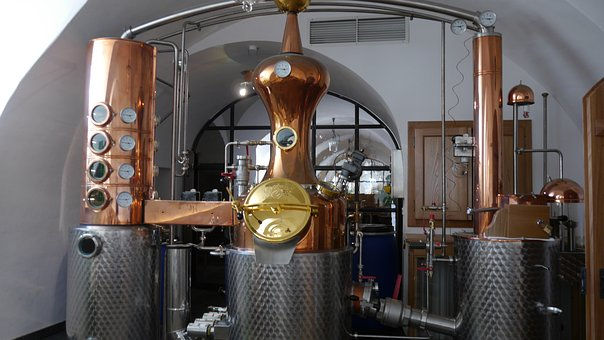
First, it is essential to buy a still that is non-reactive and can get you the essential oil in the purest form. You can buy the best quality stills from LeTime Still. The best-recommended metal still is copper, as it is non-reactive and has antibacterial properties. This copper quality helps purify the final product by removing impurities. Moreover, copper binds with sculpture vapors formed during distillation and affects the outcome. Copper also has the even heating temperature, and the vessel made of copper can also be cleaned very easily.
Harvesting Your Plant
The highly recommended plant material source is harvesting or growing it in your botanical garden, as every plant has the right time of growth which gives off a maximum quantity of essential oil. But if you can grow it at your home, try to buy it from where it has been grown organically without pesticides. The quantity of plant needed for extracting the essential oil must be massive, as a lot of plants are required for a small portion of essential oil.
Prepping Your Herb
The next task is to prep your plant before extraction. Some plants need to be washed before extraction, and others don’t. If you clean it, then drying should be done carefully, as over-dried plants won’t produce enough oil. Similarly, never use the powdered plant for extraction.
Prepping Your Distillation Assembly
Thorough washing of the different parts of the equipment in which the distillation should be carried out must also be washed, dried, and decontaminate carefully. Take a clean and neat funnel and many clothes for filtration and oil separation from the hydrosol.
Distillation
Try to perform the distillation in an open and well-ventilated area. Now follow the following steps.
Place the distill over a heat source.
Put the plant material in the still.
Now use filtered water to fill the pot to the required capacity.
Now secure the still with the onion bulb and attach the condenser coil.
Turn on the flame and start the liquid to boil.
Now prepare a cooling material on the condenser side like the ice packs or any cooling source.
As soon as the steam begins to form, it will move to the condenser, cool down there, and be collected in the collecting vessel.
From the collecting vessel, separate the essential oil from the hydrosol.
Storing The Oil
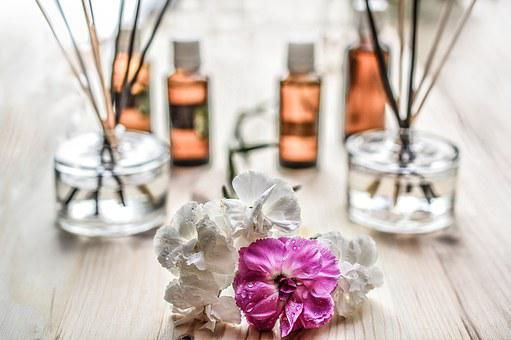
It is recommended to store the essential oil in a tightly closed, amber-colored glass bottle. As crucial oil loses potency in the open air, try to tighten up the cork or lid of the bottle and prevent them from evaporation.
Comments